Play’n GO began in Sweden in 2005 and has grown to a portfolio of more than 400 games supplied in over 35 regulated jurisdictions. Rich Wilde and the Book of Dead is its best-known release, but the catalogue also includes Reactoonz, Moon Princess, Fire Joker and several distinct series.
How Play’n GO grew

The company’s early work focused on games and tools that could run on mobile devices. That was a practical niche in the mid-2000s, long before a responsive phone version became a routine requirement for every online slot.
Play’n GO later developed its own platform and a steady release schedule, while keeping game production at the centre of the business. Co-founder Johan Törnqvist remains chief executive, giving the provider unusual continuity across two decades of rapid technical change.
The current catalogue is delivered to regulated operators rather than directly handling player accounts. A game may therefore be approved in one country but missing in another, even when both sites use Play’n GO content.
Important games and series
Rich Wilde and the Book of Dead uses a familiar expanding-symbol free-spins format, but its explorer character turned the game into a series. Later Rich Wilde titles moved through Egyptian, Mesoamerican and mythological settings while changing the feature mix.
Reactoonz shows a different side of the studio. It uses cluster wins on a grid, charging a sequence of features until the large Gargantoon character can appear, and it led to sequels and related Toonz games.
Moon Princess also uses clusters, with three characters triggering different powers as wins build an energy meter. Fire Joker is much simpler: a three-reel slot with respins and multipliers that works well for readers who do not want several feature menus.
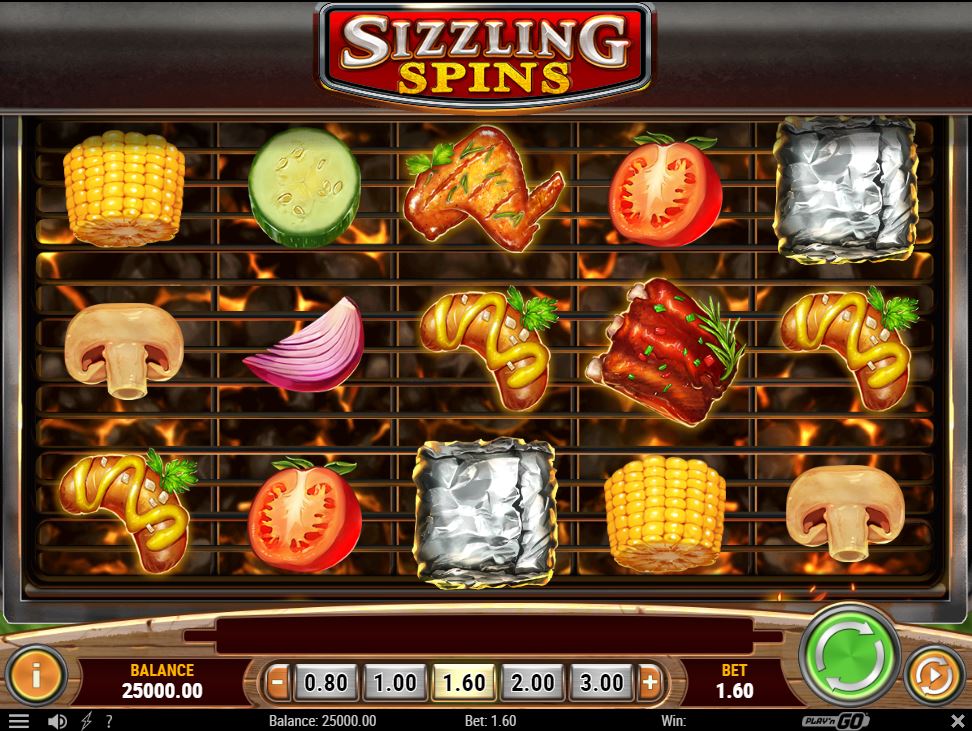
Sweet Alchemy and Rise of Olympus expand the grid-based part of the catalogue, while the Dead series and mythology games cover higher-volatility free-spin play. The range is broad enough that the provider cannot be judged from Book of Dead alone.
Design ideas rather than one house mechanic
Play’n GO has not built its identity around a single licensed engine such as Megaways. Its contribution is a repeatable series model: recognisable characters return, but their reel layouts and bonus structures can change substantially from one game to the next.
The provider was also early to treating mobile as the main playing screen. Clear portrait controls, short loading sequences and features that remain readable without a mouse now look ordinary, but they were a more deliberate design choice when Play’n GO started.
Some recent games include optional feature purchases or enhanced stakes, depending on local rules. These buttons change the cost or route into a bonus and should always be read before use; they do not improve the published RTP by default.
Licences and regulated reach
Play’n GO publishes supplier details for Great Britain, Malta and Gibraltar. These include British Gambling Commission account 55949, Malta licence MGA/B2B/225/2012 and Gibraltar licence RGL No. 131.
The company also supplies games in regulated markets across Europe and the Americas through locally approved partners. Its own site says the portfolio reaches more than 35 jurisdictions, but that group figure does not make every title legal or available in every one.
What to check before playing
Start with the volatility and RTP shown in the live game’s information panel. Several Play’n GO titles can be supplied in more than one approved RTP configuration, so an older review may quote a different figure from the version in front of you.
It also helps to check how a bonus starts. A simple scatter trigger, a collection meter and a paid feature option create very different session rhythms even when the artwork comes from the same series.